

Everything you need to know before visiting the iconic Haji Ali Dargah in Mumbai
مدينة مومباي، مدينة الأحلام، تضم العديد من المعالم الشهيرة التي تعكس ثقافتها النابضة بالحياة وتراثها المتنوع. من بين هذه المعالم، يبرز ضريح حاجي علي كرمز للروحانية والإيمان وجمال العمارة. يقع على جزيرة صغيرة قبالة ساحل وورلي في البحر العربي، ويجذب هذا الضريح الذي يعود تاريخه إلى 600 عام الملايين من الزوار كل عام، بغض النظر عن الدين أو الخلفية.
إذا كنت تخطط لزيارة هذا المعلم المقدس، إليك دليل كامل لضريح حاجي علي، مومباي – يغطي تاريخه وعمارته ومواعيده ونصائح السفر الأساسية.
تاريخ حاجي علي ديرgah
تعود أصول حاجي علي ديرgah إلى القرن الخامس عشر وترتبط ارتباطًا وثيقًا بحياة تاجر ثري، سيد بير حاجي علي شاه بخاري. وُلد في أوزبكستان، وتخلى عن ثروته بعد تجربة روحية وسافر على نطاق واسع. في النهاية، استقر في مومباي، مكرسًا حياته لنشر القيم الإسلامية من حب وصدقة وإخلاص.
وفقًا للأسطورة، انطلق حاجي علي في رحلة حج إلى مكة ولكنه توفي خلال الرحلة. جسده، الذي كان موضوعًا في تابوت، طاف بطريقة معجزة ليعود إلى شواطئ مومباي واستقر في المكان الذي يقع فيه الديرgah الآن. على مر القرون، أصبح هذا الضريح رمزًا للإيمان والوئام، يجذب المصلين والسياح على حد سواء.
العمارة والتصميم
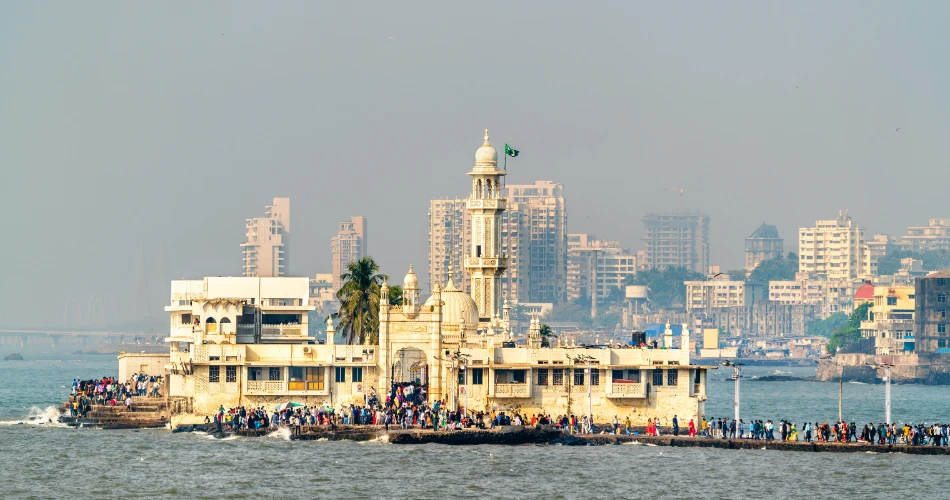
تعتبر ديرغا حاجي علي تحفة من التحف المعمارية الهندية الإسلامية. بُنيت من الرخام الأبيض النقي، وتتميز الهيكل بأقواس وقباب ومآذن وأعمدة رخامية معقدة تعكس التأثيرات المغولية.
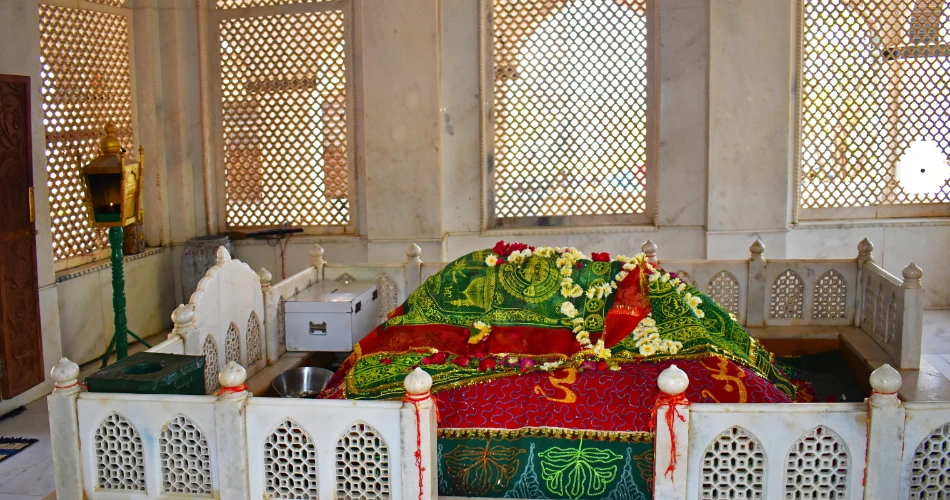
تتكون الديرغا من ضريح مركزي يحتوي على قبر حاجي علي، محاط بساحة رخامية. يبلغ ارتفاع المئذنة 85 قدمًا، وتبرز القبة البيضاء اللافتة للنظر بشكل بارز أمام خلفية البحر العربي، مما يجعل المعلم مرئيًا من مسافة بعيدة.
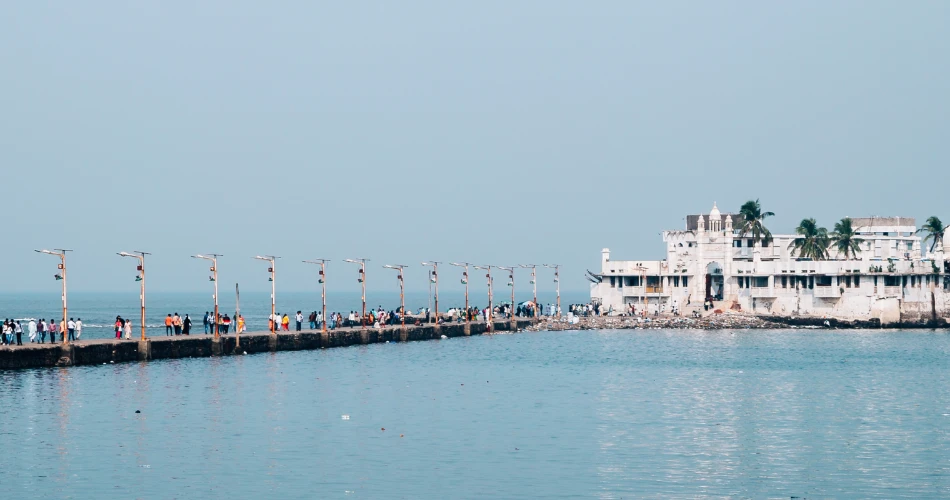
ما يجعل الزيارة أكثر خصوصية هو الطريق المؤدي إلى الضريح. ممر ضيق، يبلغ طوله حوالي 500 متر، يربط الشاطئ في ورلي بالجزيرة. خلال المد العالي، يغمر الممر بالماء، مما يجعله متاحًا فقط خلال المد المنخفض. تضيف هذه البيئة الفريدة إلى الأجواء الروحية والغ mystical للمكان.
مواعيد زيارة حجي علي درgah
الضريح مفتوح للزوار كل يوم من أيام الأسبوع. فيما يلي المواعيد العامة:
-
ساعات العمل: 5:30 صباحًا
-
ساعات الإغلاق: 10:00 مساءً
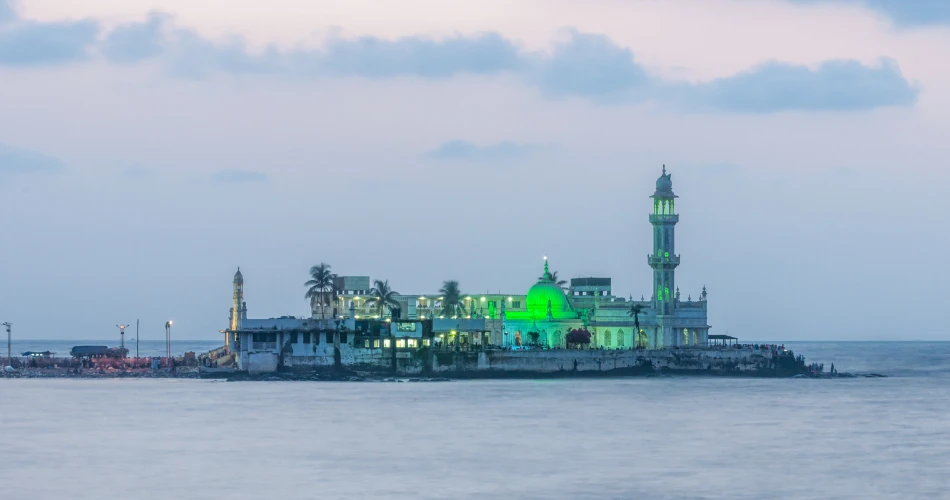
أفضل وقت للزيارة هو خلال الصباح أو المساء عندما تكون نسيم البحر لطيفًا، والضريح مضاء بشكل جميل. تعتبر أيام الجمعة خاصة جدًا، حيث تجذب حشودًا كبيرة من المصلين وعروض القوالي التي تعزز الأجواء الروحية.
كيفية الوصول إلى حاجي علي درgah
يقع حاجي علي درgah في موقع مركزي ومتصلة جيدًا بجميع أنحاء مومباي:
-
بالسيارة: يمكن الوصول إليه بسهولة من ماهالاكسمي، وورلي، وتارديو. سيارات الأجرة والحافلات والتوك توك تسير بشكل متكرر على هذا الطريق.
-
بالقطار: أقرب المحطات هي ماهالاكسمي ومومباي سنترال، وكلاهما يبعدان مسافة قصيرة بالسيارة.
-
بالطائرة: من مطار تشاتراباتي شيفاجي مهراج الدولي، يبعد الضريح حوالي 20 كم.
بمجرد وصولك إلى تقاطع حاجي علي، تضيف نزهة الممر إلى سحر التجربة.
نصائح السفر لزيارة حجي علي درgah
لجعل زيارتك مريحة ولا تُنسى، ضع هذه النصائح في اعتبارك:
-
تحقق من المد والجزر – خطط لزيارتك خلال انخفاض المد، حيث أن الممر يغمر خلال ارتفاع المد.
-
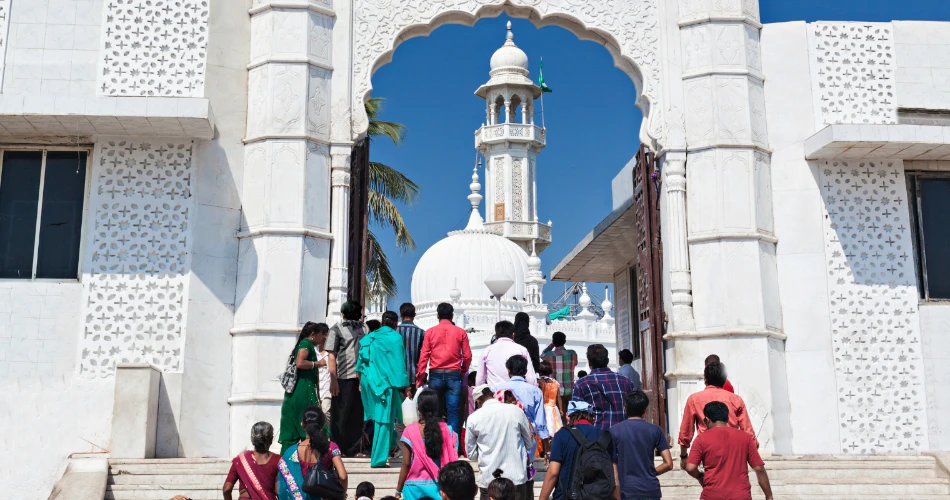
ارتدِ ملابس محتشمة – بما أنه موقع ديني، ارتدِ ملابس مناسبة تغطي الأكتاف والركب.
-
الأحذية – لا يُسمح بارتداء الأحذية داخل المكان؛ يمكنك تركها عند الكاونترات المخصصة بالقرب من المدخل.
-
التصوير الفوتوغرافي – كن محترماً أثناء التقاط الصور، خاصة بالقرب من قاعة الصلاة.
-
أفضل وقت للزيارة – الصباح الباكر أو المساء لتجربة هادئة. تجنب عطلات نهاية الأسبوع إذا كنت تفضل قلة الزحام.
-
أحداث خاصة – خلال الأورس (ذكرى وفاة حجي علي)، يتم تزيين الضريح، ويتجمع الآلاف من المريدين.
الأهمية الروحية والثقافية
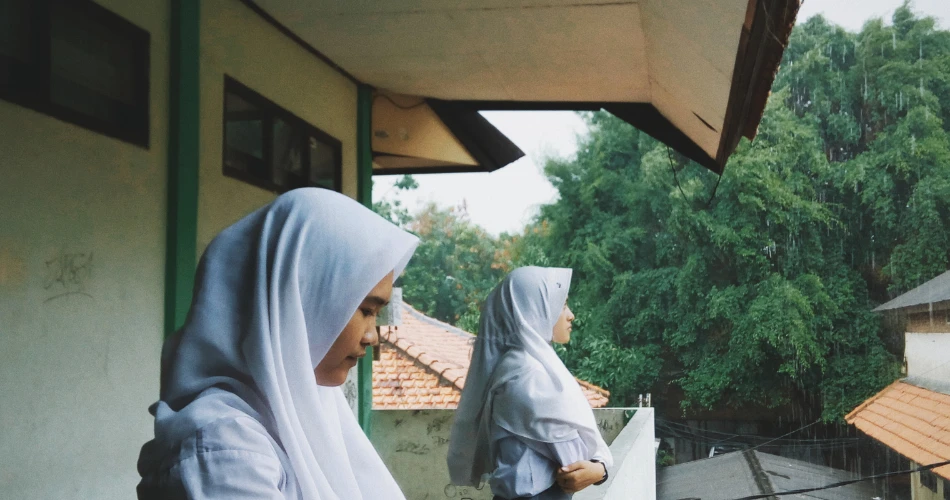
بعيدًا عن كونه موقعًا دينيًا، يمثل حاجي علي درgah روح الشمولية في مومباي. إنه يستقبل الناس من جميع الأديان، مما يعكس الهوية متعددة الثقافات في المدينة. تتناغم القواليس (الموسيقى الصوفية التعبدية) التي تُعزف هنا مع الزوار، مما يضيف سحرًا روحانيًا للزيارة.
الدراgah ليست فقط عن الروحانية ولكن أيضًا عن التاريخ الثقافي الغني في مومباي. بالنسبة للسكان المحليين، هي مكان للراحة، بينما تقدم للسياح لمحة عن نبض الروح في المدينة.
المعالم القريبة
بعد زيارة حاجي علي، يمكنك استكشاف العديد من المعالم القريبة:
-
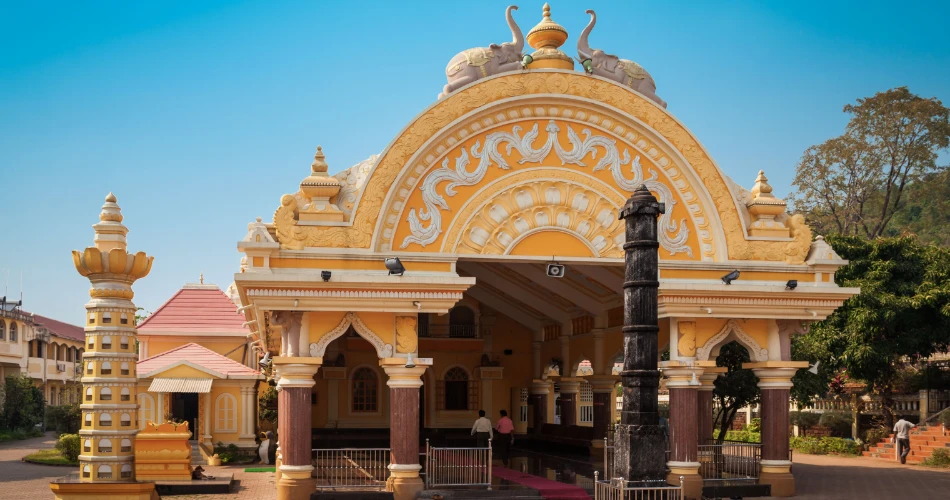
معبد ماهالاكسمي – واحد من أشهر المعابد الهندوسية في مومباي.
-
مرصد نهرو – مكان رائع لعشاق العلوم والفلك.
-
واجهة بحر ورلي – مثالي لنزهة مسائية خلابة على البحر.
-
سوق مومباي المركزي – لتجارب الطعام في الشوارع والتسوق المحلي.
الخاتمة
يعد ضريح الحاج علي في مومباي أكثر من مجرد نصب ديني - إنه رمز خالد للإيمان والتناغم والعبقرية المعمارية. سواء كنت تزور لأسباب روحية أو للإعجاب بجماله، فإن التجربة ستترك بالتأكيد انطباعًا دائمًا.
في المرة القادمة التي تكون فيها في مومباي، تأكد من إضافة ضريح الحاج علي إلى خط سيرك. امشِ على الكورنيش، واستمتع بنسيم البحر، واستمع إلى القوالي الروحية، وشاهد اتحاد الثقافة والتفاني في قلب مدينة الهند الصاخبة.